


 Danish Wadhwa
 Dr. Varun Bajaj, MD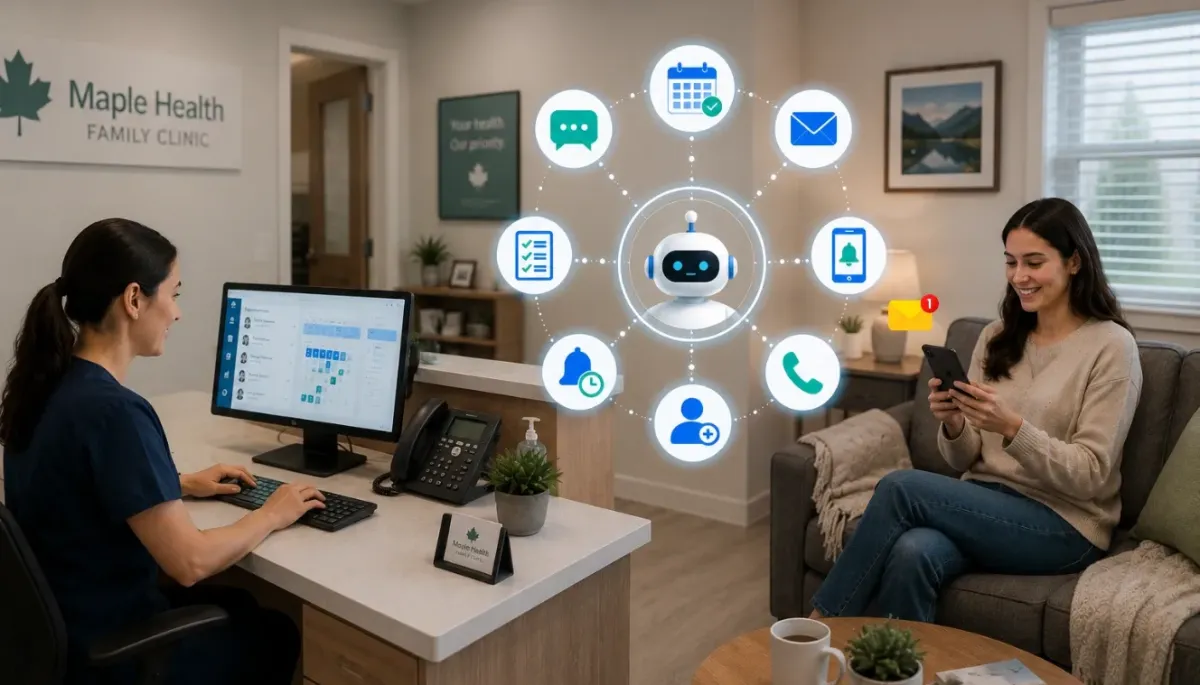
- A missed appointment doesn’t just leave an empty slot on the calendar — it costs clinics time, revenue, and future patient retention opportunities.
- Healthcare providers historically depend on manual calls, voicemails, and spreadsheets to manage appointment reminders and follow-ups, which struggles with scalability and consistency.
- Automated follow-up software sends messages based on specific actions or timelines rather than manual outreach.
- Confirmations, reminders, follow-ups, recalls, and review requests can all be automated.
- Automation reduces no-shows, improves retention, responds faster, and increases revenue without hiring more staff.
Why are manual patient follow-ups failing modern clinics?
Modern clinics manage higher patient volumes amid staffing shortages and rising costs. Reception teams handling incoming calls, check-ins, scheduling, insurance coordination, and billing inquiries lack the capacity for hundreds of monthly reminder calls.
Key challenges include:
- Front desk teams overwhelmed with competing demands
- Patients ignoring unknown phone numbers and unheard voicemails
- No-shows causing lost provider time and wasted resources
- Follow-up gaps reducing patient retention
- After-hours calls going unanswered
Manual follow-ups are expensive, inconsistent, and difficult to scale.
What is automated patient follow-up software?
Automated patient follow-up software sends messages based on specific actions or timelines rather than manual outreach. A typical workflow looks like this:
- Patient books appointment → instant confirmation
- Two days before → reminder sent
- Morning of appointment → notification
- After visit → follow-up message
- Months without return → recall message triggered
What tasks can be automated?
- Appointment confirmations
- Appointment reminders (SMS, email, phone, voicemail)
- Follow-up messages (care instructions, surveys, prescriptions)
- Patient recall campaigns
- Review requests
- Missed call follow-ups
How do automated appointment reminder systems work?
- Patient books an appointment (phone, website, chat, front desk, or referral)
- A confirmation is sent instantly
- A reminder sequence begins on a customizable timeline (7 days, 3 days, 24 hours, same-day)
- Patients confirm, cancel, or reschedule
- Post-appointment communication follows (thank-you, reviews, treatment reminders, future recommendations)
What are the benefits of automating patient follow-ups and appointment reminders?
- Fewer no-shows. Reminders address patient forgetfulness.
- Better patient retention. Automated recalls increase repeat visits for recurring treatments and checkups.
- Less pressure on front desk staff. Automation handles confirmations, reminders, follow-ups, and rescheduling.
- Faster response times. Multi-channel responses (text, AI calls, chat) improve conversion.
- Stronger online reputation. Automated review requests generate more Google reviews.
- Higher revenue without hiring. Increased bookings and retention without expanded staff.
Why are AI receptionists becoming essential?
Patients call during lunch breaks, evenings, weekends, and busy hours. A missed call often means a missed patient. AI receptionists address this by answering calls instantly, responding after-hours, answering questions, booking appointments, and reducing front desk pressure.
How does HiClinic help healthcare providers automate the entire patient journey?
HiClinic’s platform offers:
- Capture more inquiries with missed call text responses
- Handle calls without overloading staff through an AI receptionist
- Send automated appointment reminders
- Bring patients back with patient recall software
- Build stronger reputation through automated review requests
- Create a better patient experience with faster responses and smoother communication
Key takeaways
- Modern healthcare requires faster patient responses and convenient scheduling.
- Automation solves both provider and patient needs by reducing no-shows, improving retention, responding faster, generating reviews, and increasing repeat bookings.
- The clinics that improve patient communication today will be the ones that build stronger patient relationships tomorrow.
Want to see automated follow-ups mapped to your clinic’s schedule? Book a free demo and we will walk through it.